A Journey into Sri Lanka's Culinary Heart.
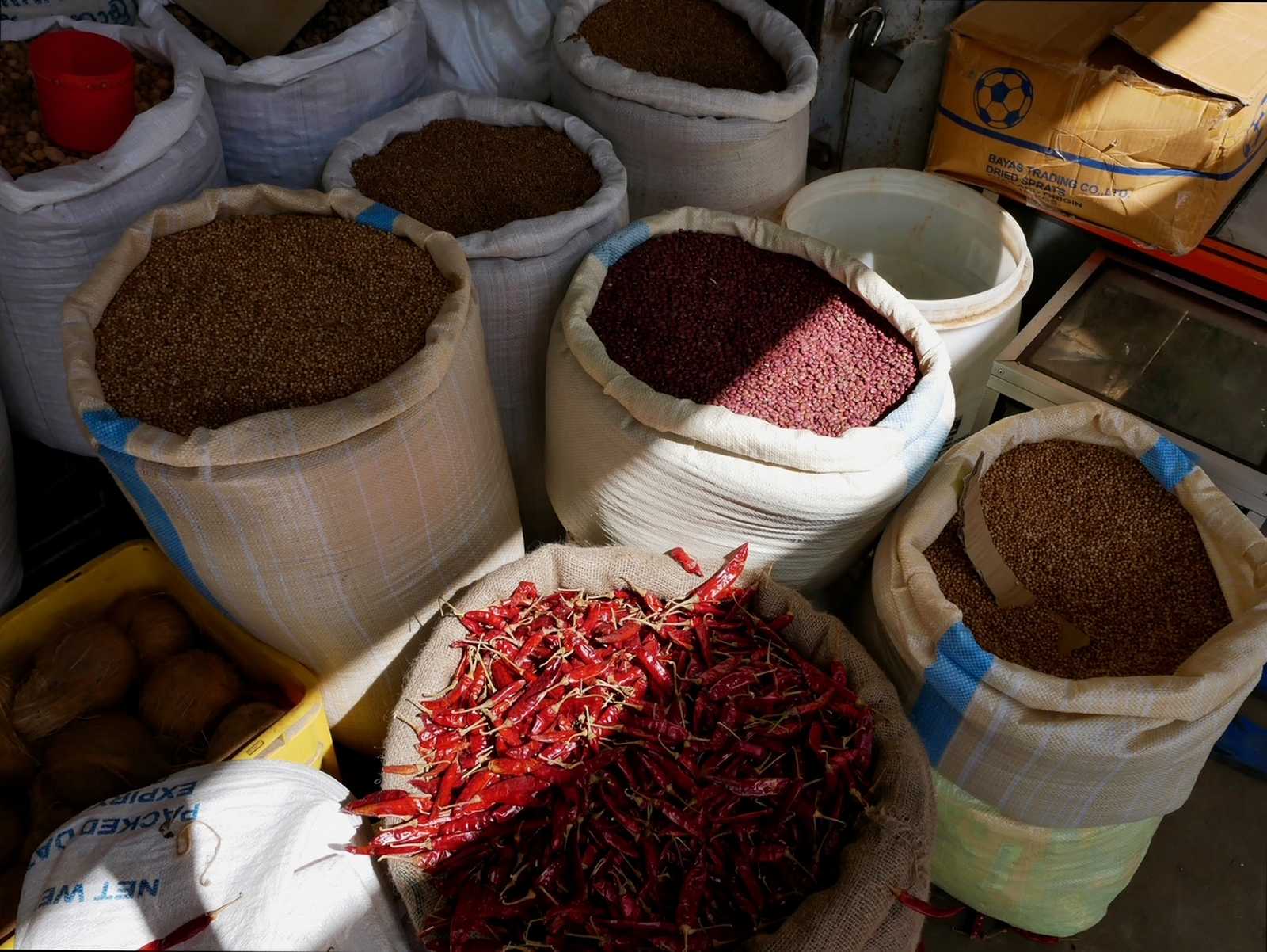
The image of a vibrant spice market, brimming with mounds of cashews, almonds, and walnuts, is just a glimpse into the rich tapestry of Sri Lankan cuisine. While these nuts are a delicious part of many dishes, the true soul of a Ceylonese curry lies in its aromatic, complex blend of spices. For the inhabitants of this island nation, a meal of rice and curry is not merely about sustenance; it’s a daily ritual, a continuation of a heritage passed down through generations.
The Ceremonial Art of Sri Lankan Curry
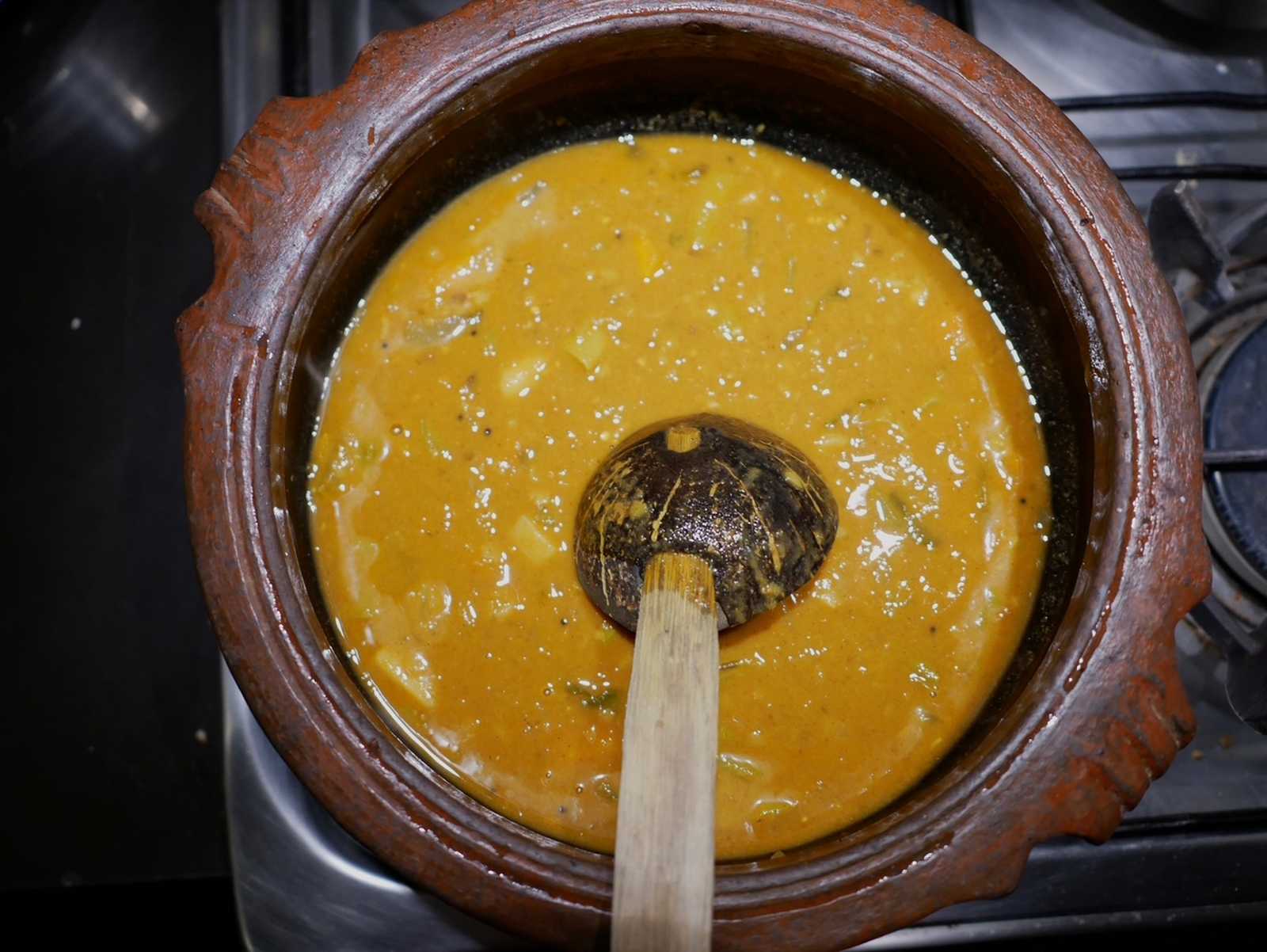
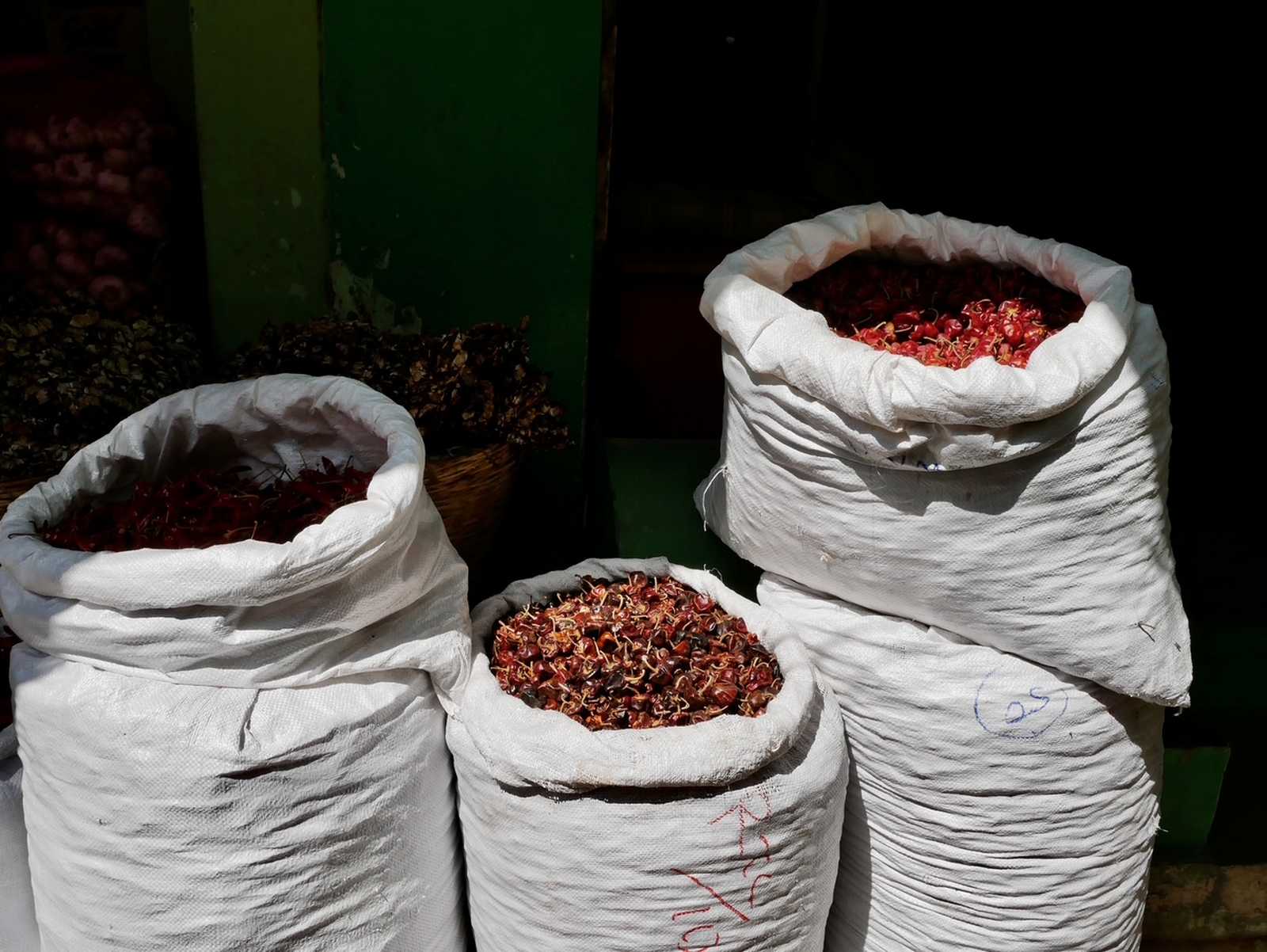
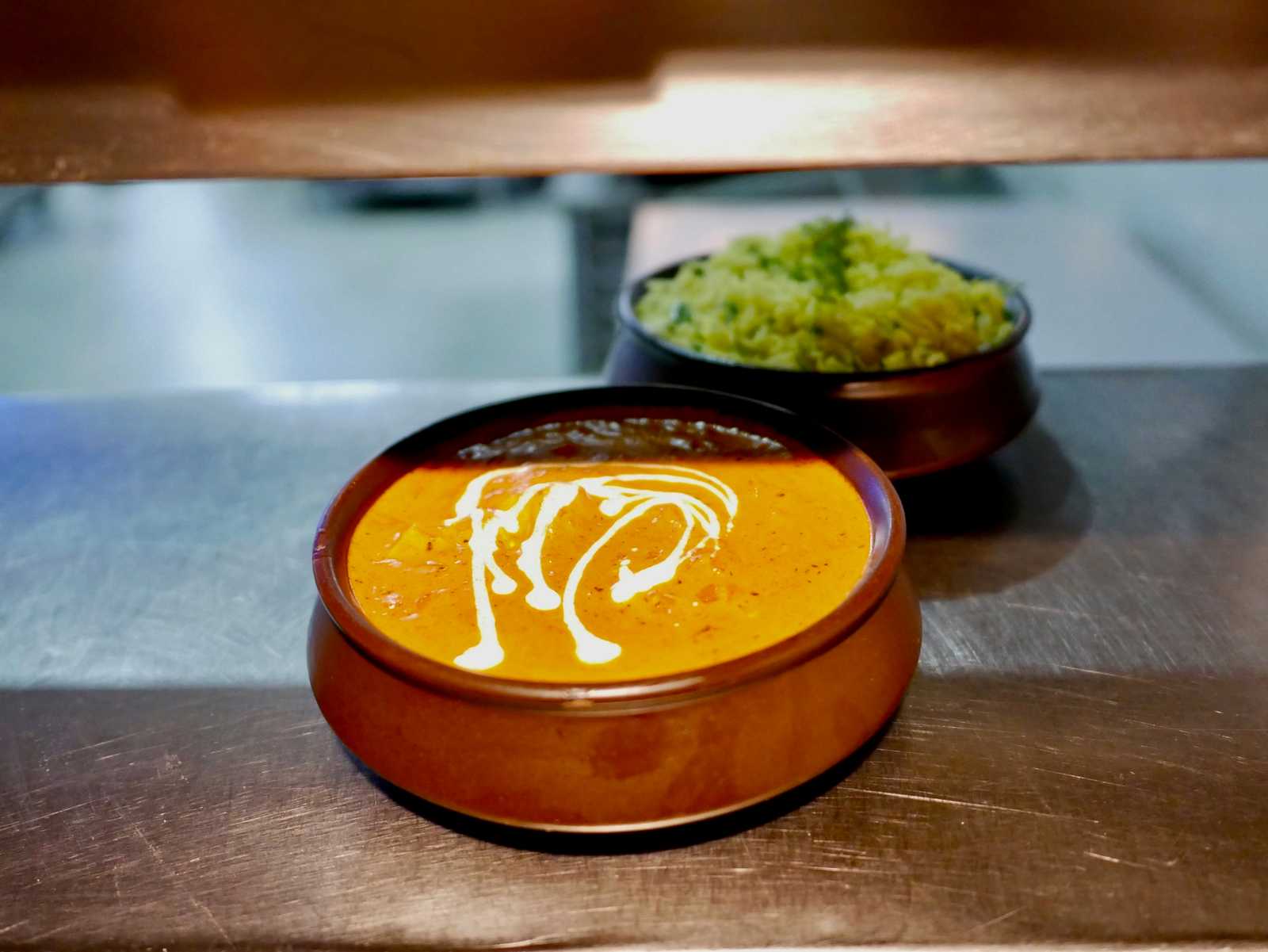
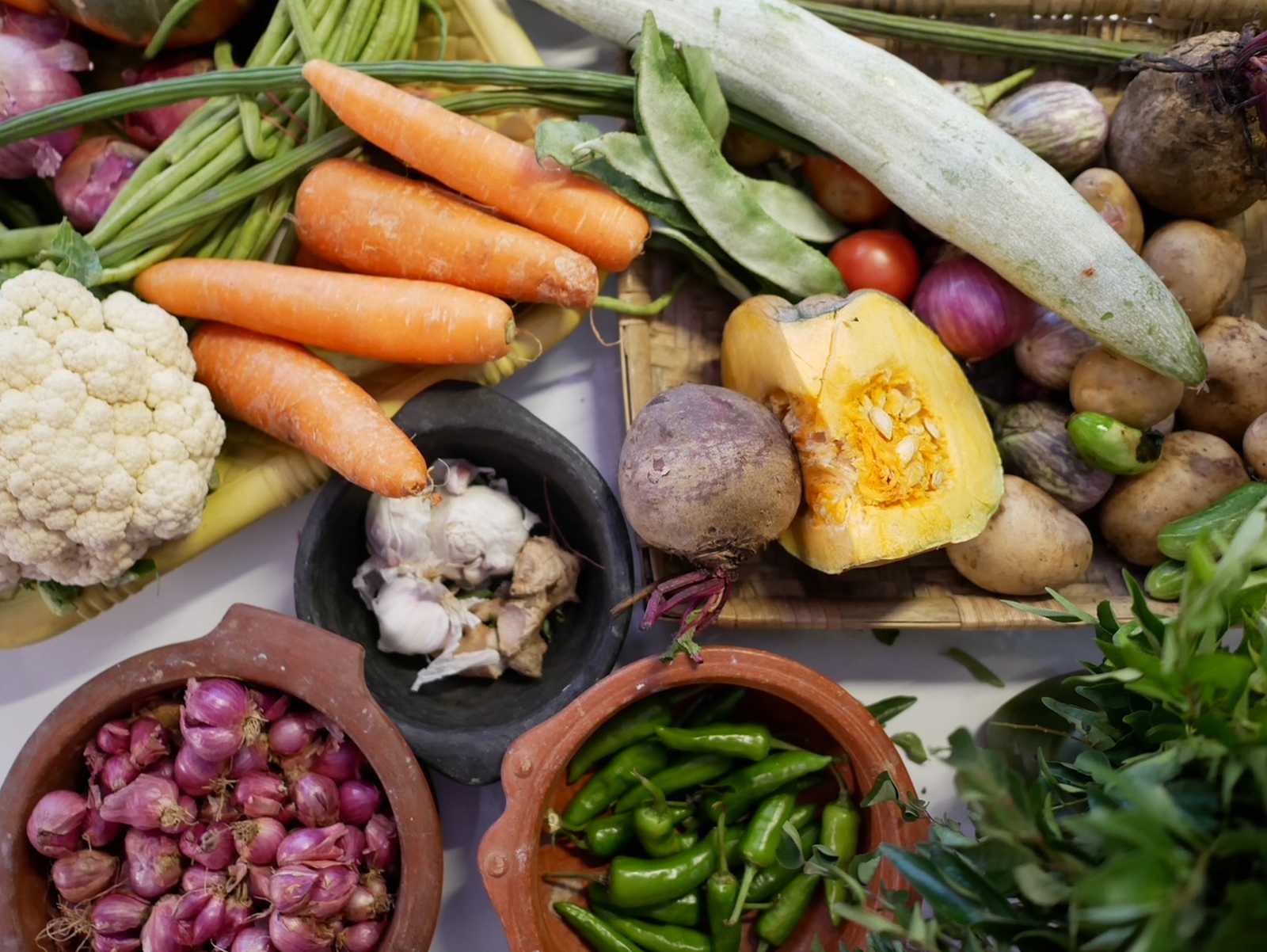
The Ceylonese household, and particularly the home cook, takes a solemn oath to bring the best curry to the table. This isn’t just cooking; it’s a ceremony. It’s a testament to a tradition that has absorbed influences from various cultures over centuries. While the term “curry” was coined by the British, the concept of a rich, spiced stew served with rice has been a staple in Sri Lanka for millennia. The journey to a perfect curry starts with a careful selection of spices—from fiery chilies and fragrant cloves to pungent ginger, garlic, and black pepper.
Spices: The Lifeblood of Ceylonese Cuisine
Sri Lanka’s historical fame as a hub for the global spice trade is evident in its cuisine. The island is the home of “true cinnamon” (Cinnamomum verum), which offers a subtle, sweet flavor that distinguishes it from other varieties. This, along with other key spices like black pepper, cardamom, cumin, coriander, and fenugreek, forms the foundation of the island’s unique and bold flavors. Each household, and even each region, has its own secret spice blend, a testament to the personalized and deeply traditional nature of the cooking process.
More Than a Meal: A Cultural Experience
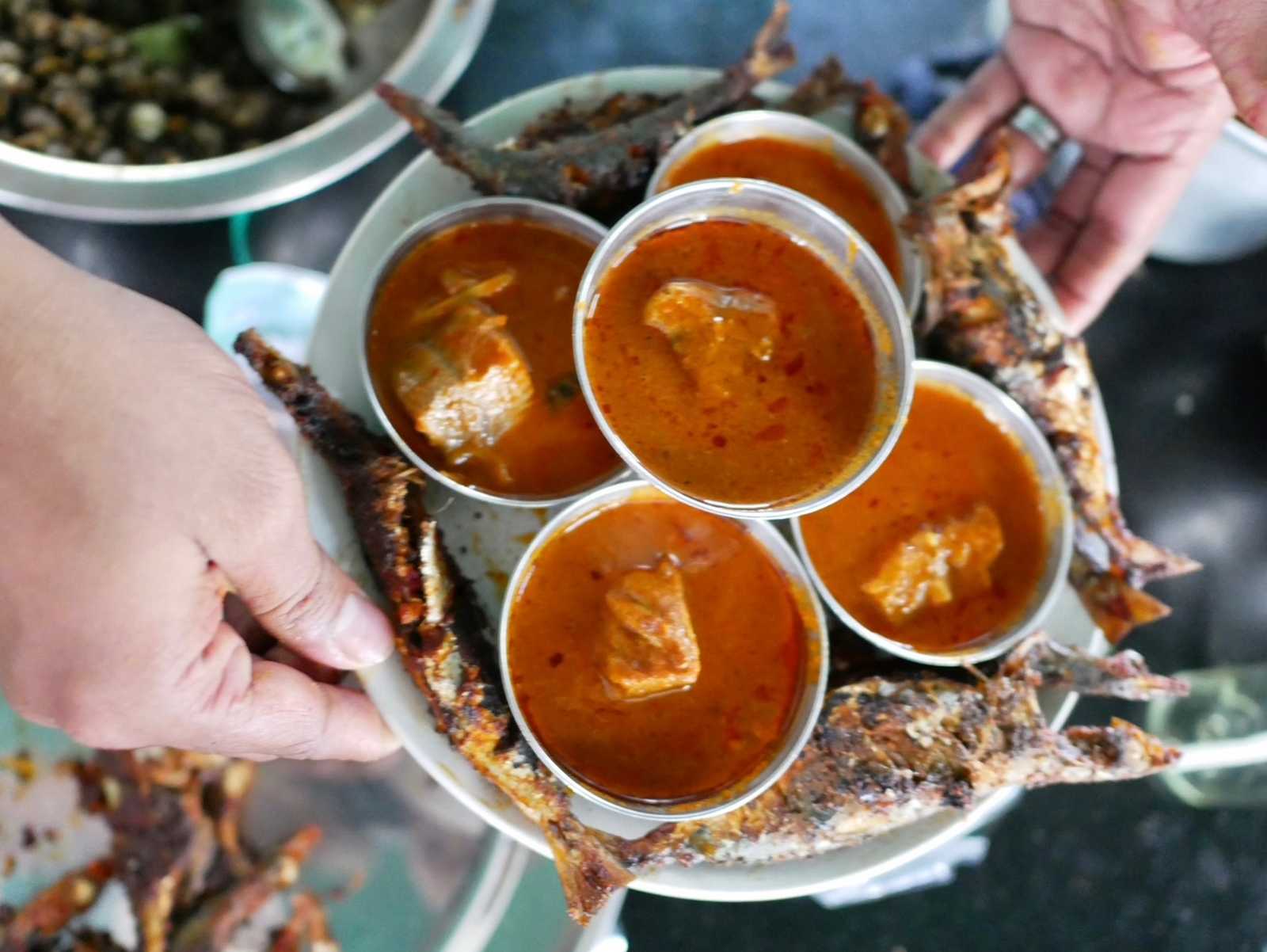
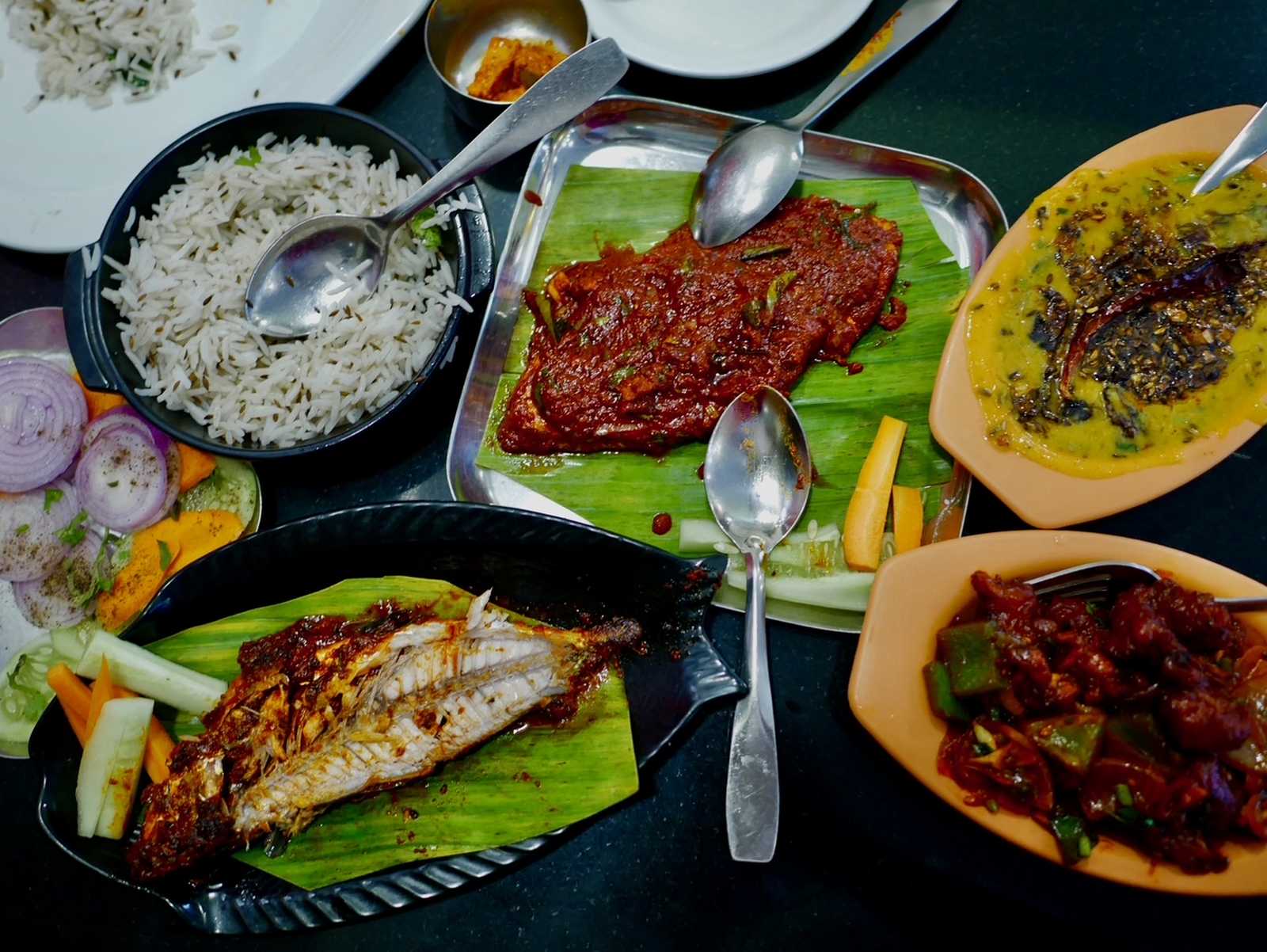
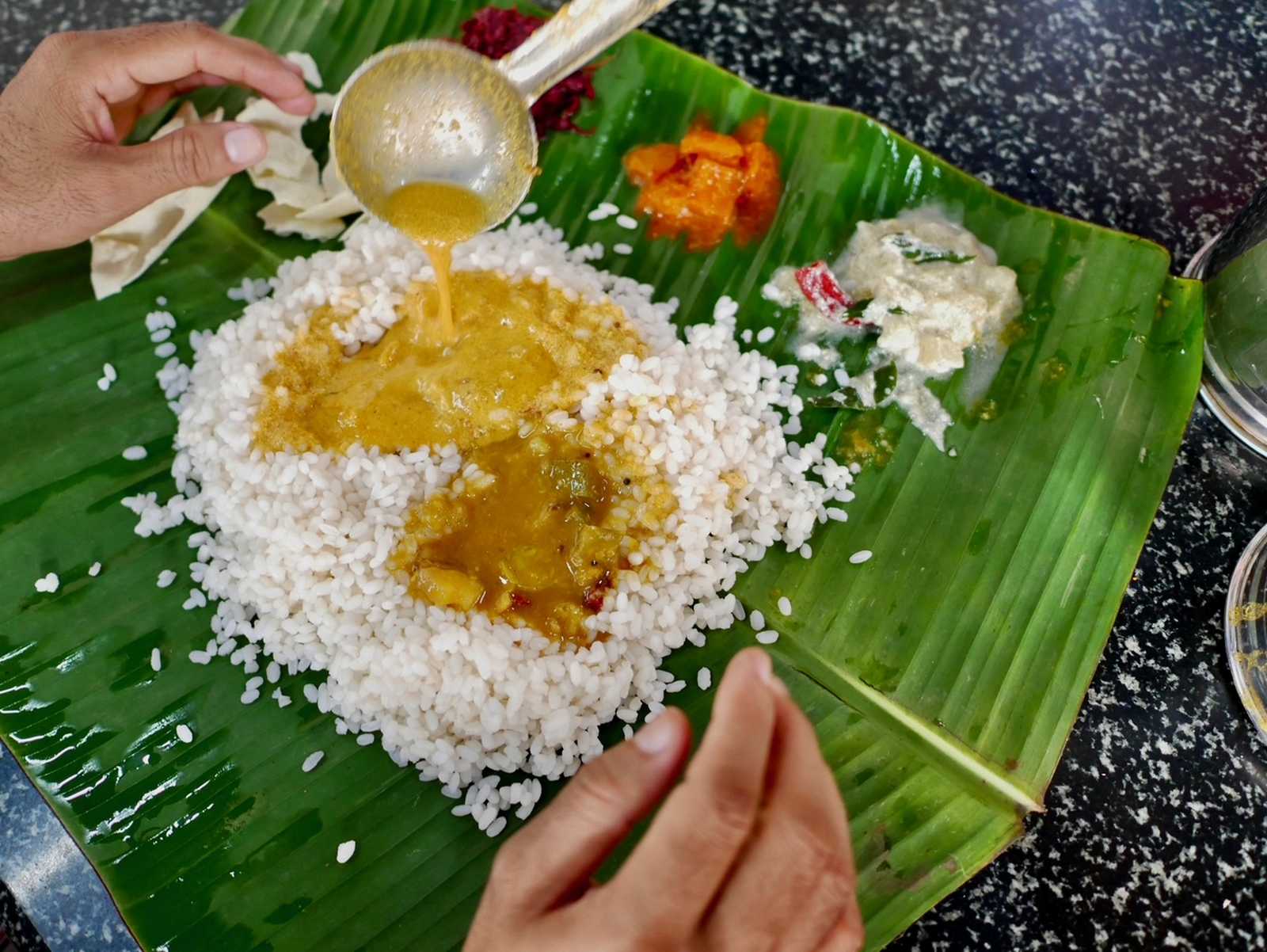
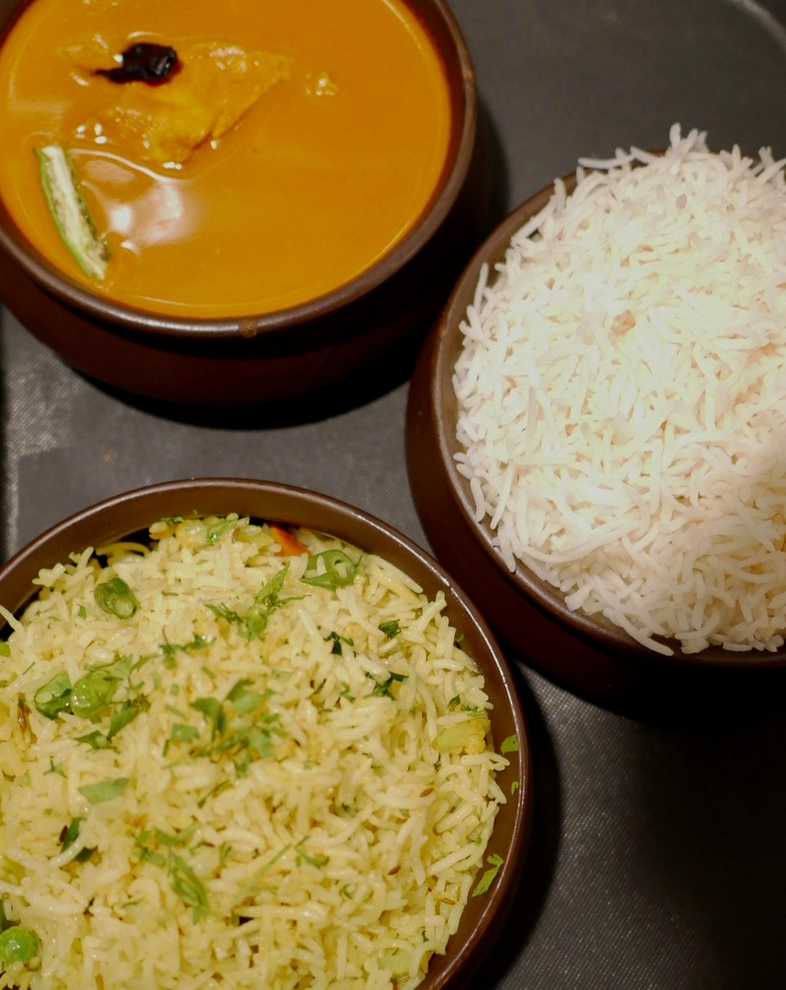
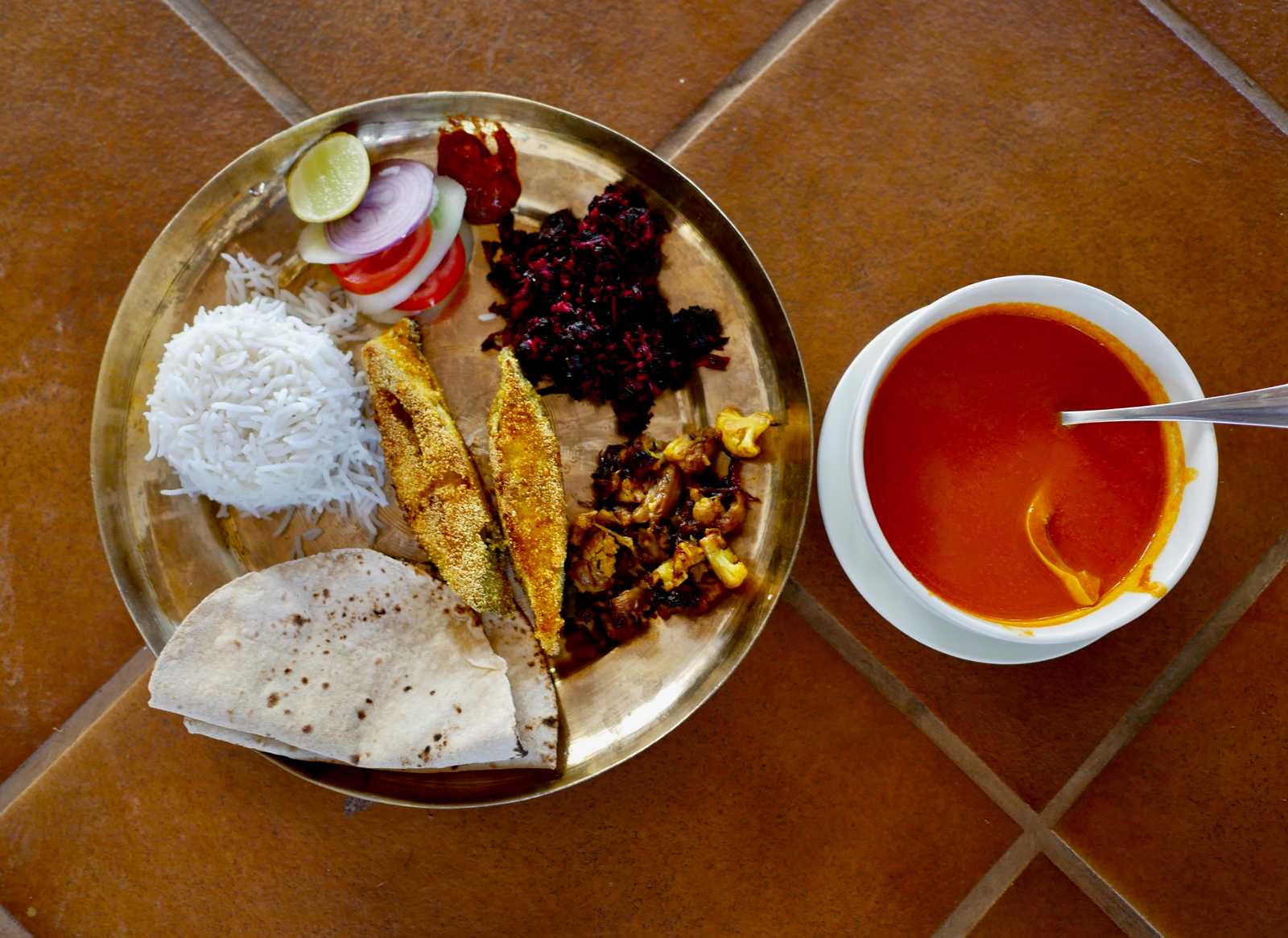
The Sri Lankan “rice and curry” is not a single dish but a symphony of flavors. A typical spread includes a central serving of rice surrounded by several small curries—a main protein (fish, chicken, or meat) accompanied by a variety of vegetable curries, dahl (lentils), and a tangy sambol. This communal style of eating encourages mixing and matching, allowing diners to create their own unique combination of tastes in every mouthful. It’s a culinary journey that reflects the island’s diverse ethnic communities and their shared love for food. From the tangy fish ambul thiyal of the south to the spicier, coconut-rich curries of the north, every dish tells a story of its origin.
Why Sri Lankan Cuisine is a Must-Try
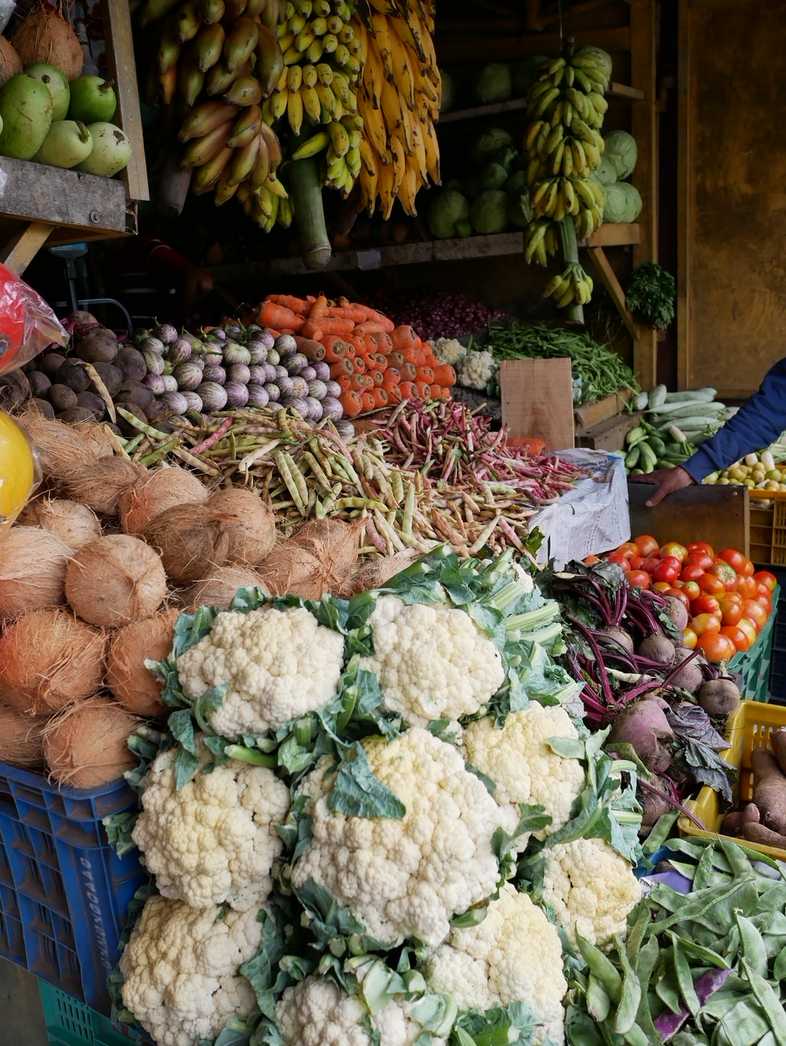
For foodies and travelers alike, exploring Sri Lankan cuisine is an unforgettable experience. The intense, aromatic flavors, the use of fresh, locally-sourced ingredients, and the deep-rooted cultural significance of every meal make it a culinary adventure. Whether you are a fan of spicy food or prefer milder flavors, the variety of curries, sambols, and rice preparations ensures there is something for every palate. The meticulous preparation, the blend of ancient traditions with modern creativity, and the passionate dedication of those who cook it, make every Sri Lankan curry a masterpiece of taste and heritage.