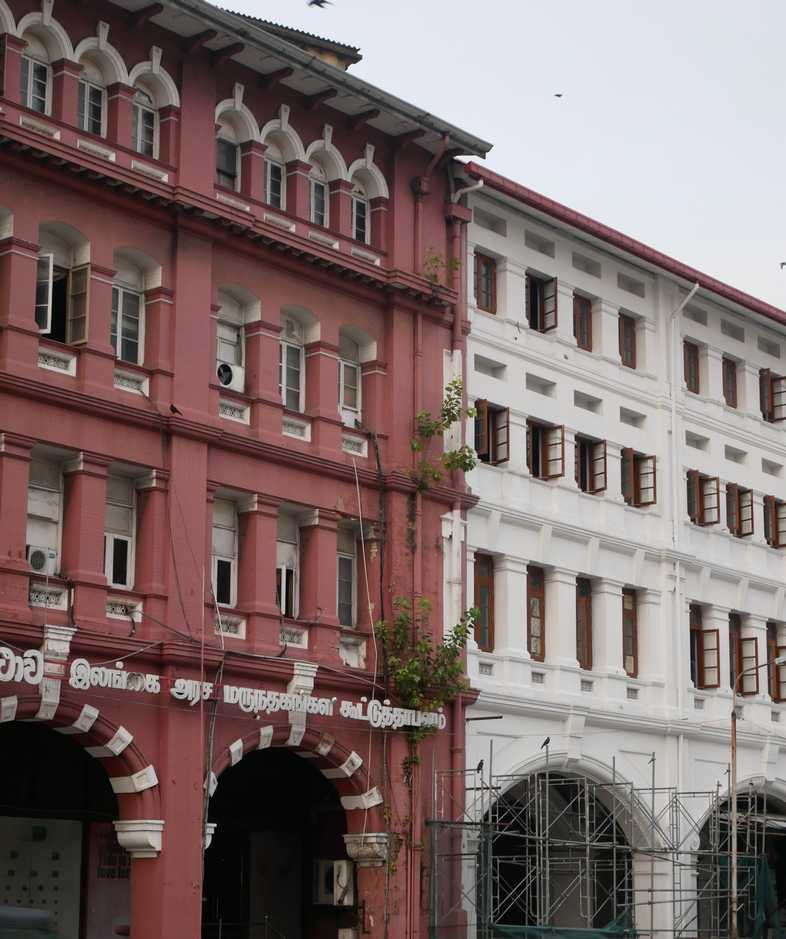
The story of Sri Lanka’s journey from colonial echoes to a thriving nation finds its most vivid expression in the evolution of its capital, Colombo. This bustling city, once a strategic port for ancient traders and a focal point of colonial ambitions, has transformed into a dynamic urban center, seamlessly blending its rich past with a vibrant present.
Colonial Colombo: A Glimpse into the Past (1930s)
In 1930, Colombo, then the administrative heart of British Ceylon, was a city defined by its colonial architecture and a clear division between the European quarters and the native areas. The Fort area, with its imposing British-built structures like the General Post Office and the Cargills & Co. building, served as the commercial and administrative hub. Wide, tree-lined avenues like Galle Road and Marine Drive stretched along the coast, offering glimpses of the Indian Ocean. Grand bungalows nestled in spacious gardens characterized residential areas like Cinnamon Gardens, home to the colonial elite. The city’s port, already a significant transshipment point, buzzed with activity, facilitating the export of Ceylon’s prized tea, rubber, and coconut.
Despite the colonial veneer, signs of a burgeoning nationalist sentiment were visible. Local businesses, though often overshadowed by British enterprises, began to emerge, and cultural institutions subtly fostered a sense of Ceylonese identity. The bustling Pettah market, a labyrinthine maze of streets, was (and still is) the soul of local commerce, reflecting the island’s diverse ethnic tapestry.
Colombo's Urban Renaissance: From 1930 to 2025
The path from colonial outpost to a modern metropolis has been one of continuous growth and strategic urban development for Colombo. Post-independence in 1948, and particularly in recent decades, the city has undergone a dramatic transformation.
Economic Diversification and Infrastructure Boom:
While the port of Colombo remains a crucial economic engine, its capacity and efficiency have been significantly enhanced with modern terminals and expanded shipping lanes. The port’s strategic location on major East-West shipping routes has cemented its status as a regional maritime hub.
The rise of the apparel industry saw the establishment of numerous factories in and around Colombo, creating employment opportunities and fueling urban migration. More recently, the city has embraced the digital age, with a burgeoning IT and business process outsourcing (BPO) sector attracting global companies and a skilled workforce. This has led to the development of modern office complexes and a vibrant startup ecosystem.
Skyline and Urban Planning:
Colombo’s skyline, once dominated by colonial low-rises, is now punctuated by sleek skyscrapers. Iconic structures like the Lotus Tower and the Colombo Port City (a reclaimed land development project) symbolize the city’s aspirations for modernity and economic growth. This ambitious project aims to create a new financial and entertainment district, complete with high-rise residential buildings, shopping malls, and green spaces, further enhancing Colombo’s international appeal.
Urban planning initiatives have focused on improving infrastructure, including extensive road networks, flyovers, and public transportation systems to ease traffic congestion. The introduction of ride-sharing services and a growing emphasis on pedestrian-friendly areas reflect a commitment to sustainable urban living.
Cultural Preservation and Modern Lifestyle:
Despite rapid modernization, Colombo has made concerted efforts to preserve its rich heritage. Beautifully restored colonial-era buildings now house boutique hotels, trendy restaurants, and art galleries, adding a unique charm to the city. Museums and art centers celebrate Sri Lankan history and contemporary artistic expression.
The city offers a diverse range of experiences for residents and tourists alike. High-end shopping malls coexist with traditional markets, offering everything from international brands to local crafts. A vibrant culinary scene boasts world-class restaurants alongside charming local eateries serving authentic Sri Lankan cuisine. The city’s green spaces, like Galle Face Green and Viharamahadevi Park, provide serene retreats amidst the urban bustle, offering recreational opportunities and a breath of fresh air.
Colombo's Role in Tourism:
As the primary international gateway to Sri Lanka, Colombo plays a pivotal role in the nation’s booming tourism industry. The city offers a sophisticated urban experience for discerning travelers, with a wide array of luxury hotels, fine dining, and cultural attractions. Tourists often begin or end their Sri Lankan journey in Colombo, using it as a base to explore nearby historical sites or as a vibrant urban contrast to the island’s natural beauty.
From its humble beginnings as a colonial port, Colombo has blossomed into a dynamic, cosmopolitan capital, a testament to Sri Lanka’s resilience, economic progress, and unwavering spirit. It stands as a vibrant symbol of a nation that has embraced modernity while proudly preserving its rich heritage, truly embodying the dream of independence that has blossomed into a sovereign and captivating reality.