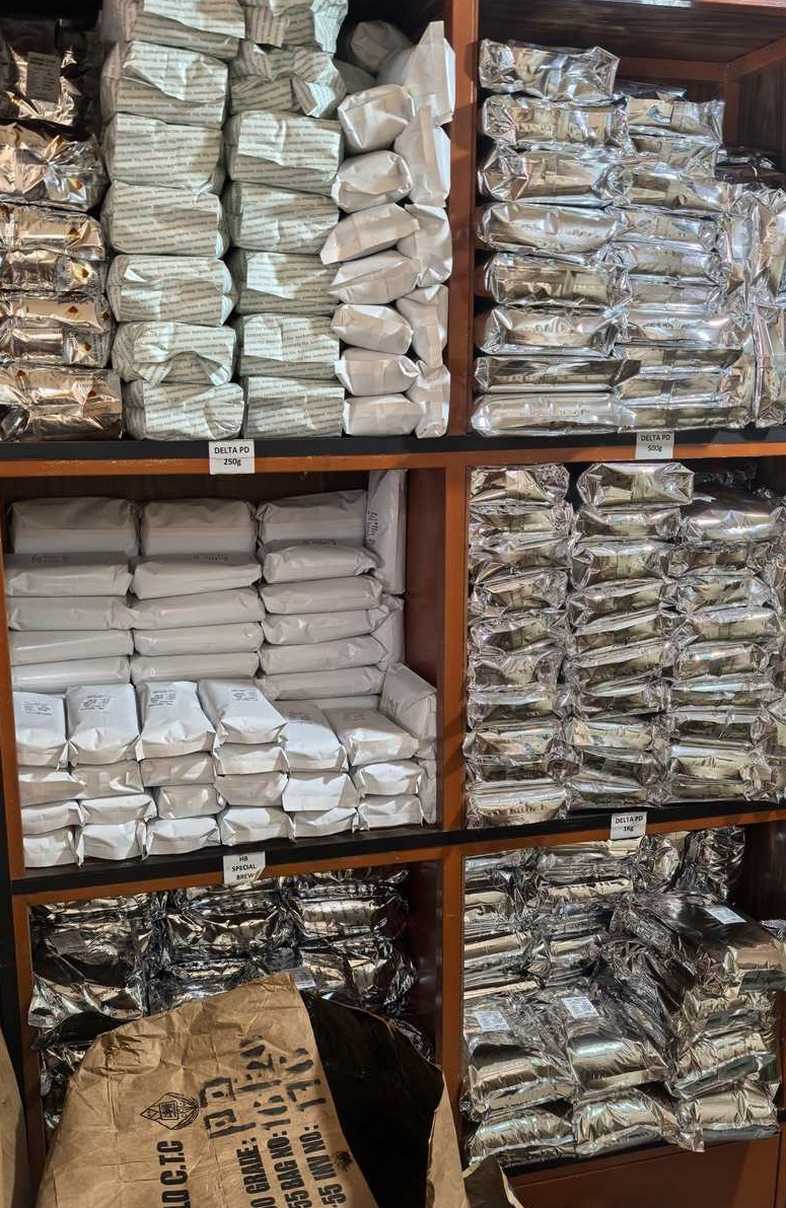
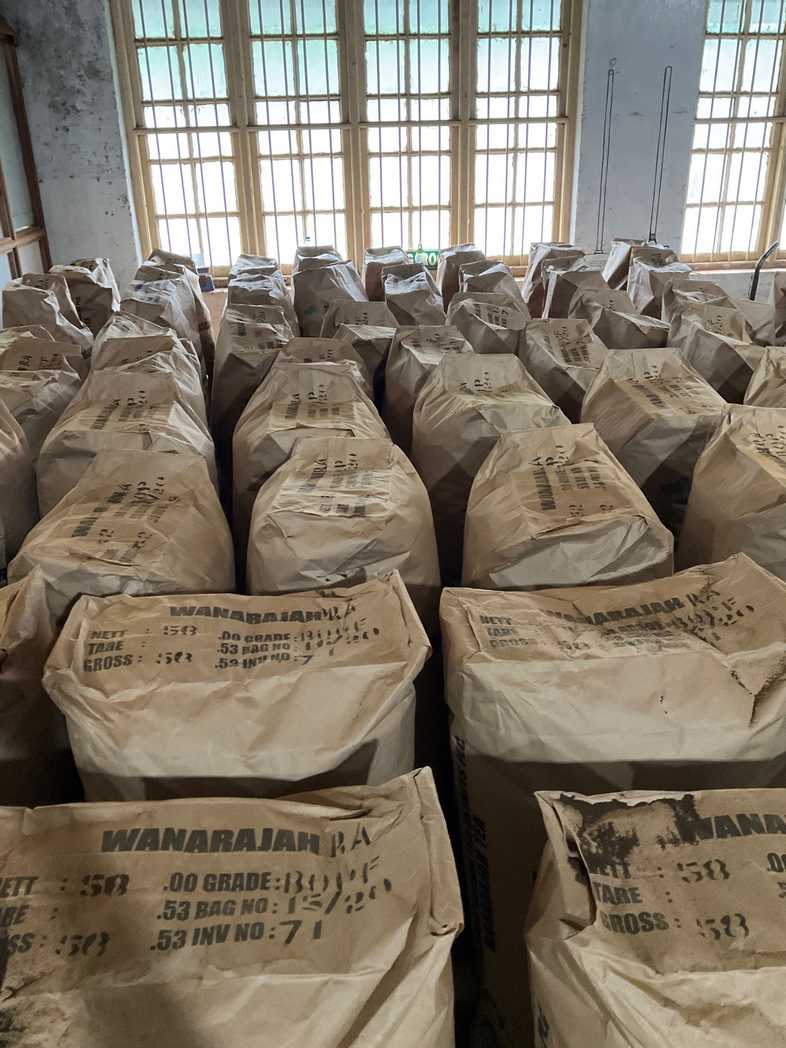
A ritual deeply ingrained in the fabric of this emerald isle.
As the tropical sun dips towards the horizon in Colombo, the air hums with the familiar rhythm of a city winding down. For me, it’s always “tea time,” a ritual deeply ingrained in the fabric of this emerald isle. Sri Lanka, formerly Ceylon, owes its liquid gold to the British colonial rulers who introduced tea cultivation to these fertile lands. From bustling boardrooms to lively cricket matches, a cup of tea is omnipresent, a silent testament to its enduring legacy.
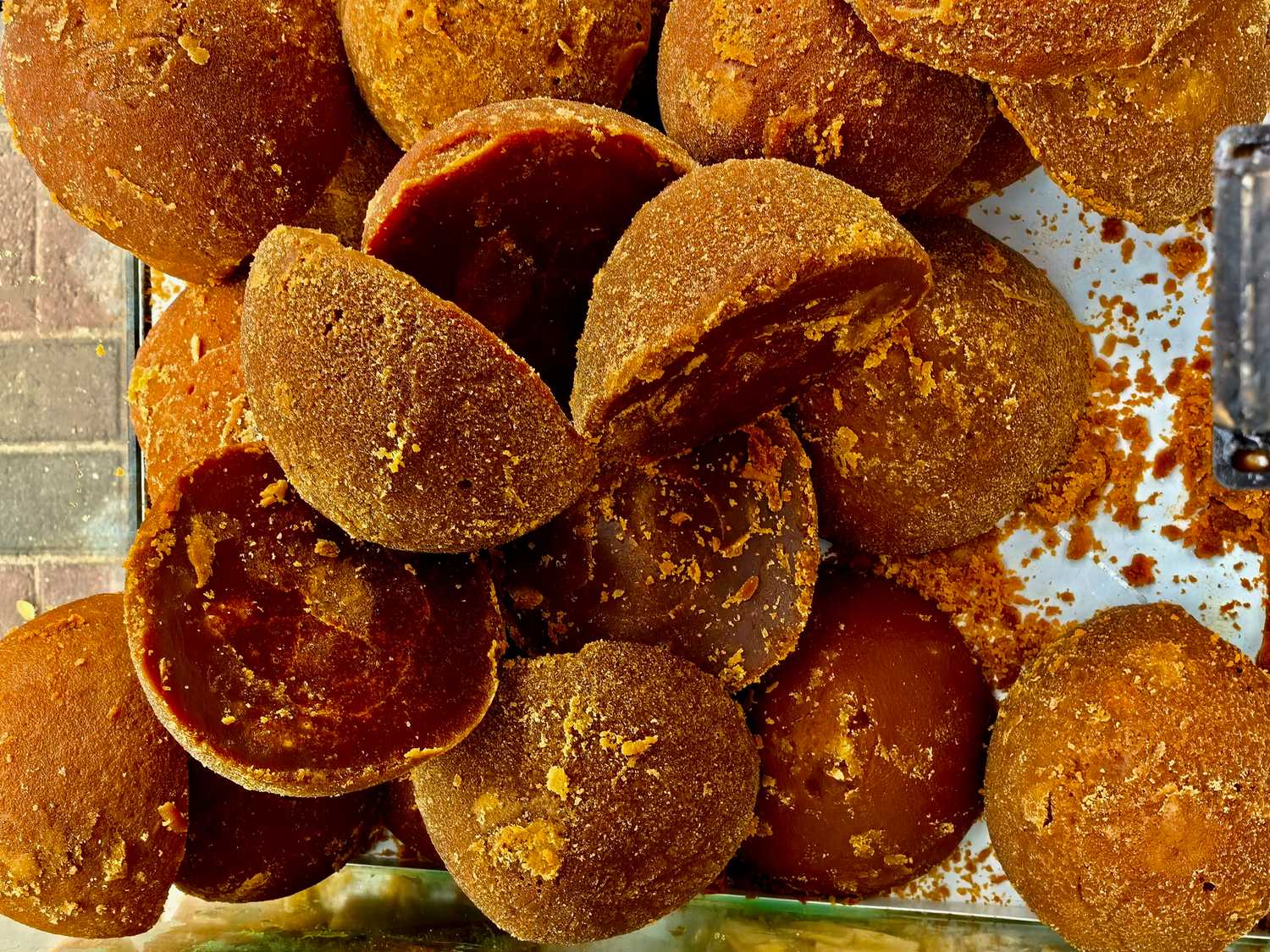
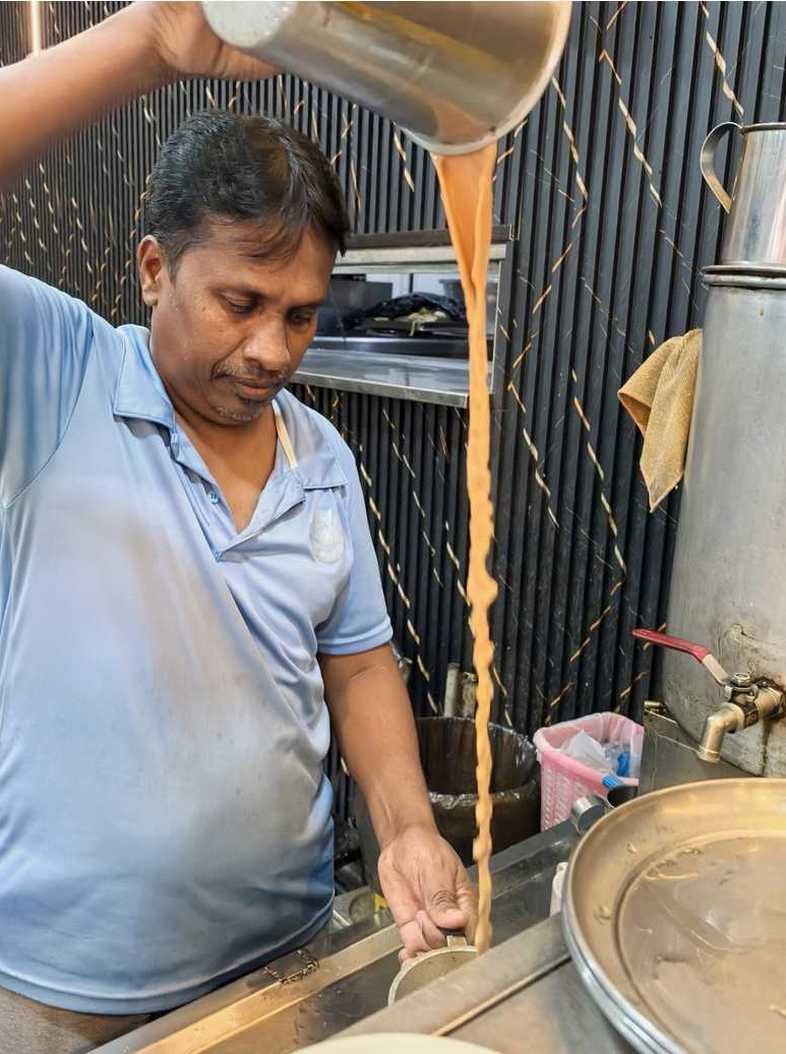
Every street corner in Colombo boasts its own unique “tea boutique,” each with a proprietor fiercely proud of their secret brewing method. Milk or without, the islanders, with their sweet tooth, often load their tea with a generous “ton of sugar” – a sweetness as profound as honey, or, for the more traditional palate, the earthy notes of “jaggery,” rich palm sugar.
My personal tea pilgrimage invariably leads me to the legendary “Galle Face Hotel.” Here, amidst the colonial grandeur and the gentle sea breeze, I indulge in my “Sir tea” – sometimes with milk, sometimes plain, always perfect. After just a few months, my friendly waiter, a connoisseur of my “tea habits,” anticipates my order with a knowing smile. This isn’t just a beverage; it’s a conversation, a connection.
The British, in their wisdom, didn’t just bring tea to distant shores; they elevated it to an art form. The “afternoon tea” tradition, born in London’s noble establishments, gracefully traveled across empires, from the sun-drenched Bahamas to the bustling streets of Hong Kong. Here in Ceylon, “tea and finger sandwiches” are a quintessential offering, and while countless establishments vie for the afternoon tea crowd, my loyalty remains with the Galle Face. Even when my familiar waiter is off duty, the ritual, the taste, and the unparalleled ambiance keep me coming back. It’s more than just a drink; it’s a taste of history, a sip of serenity, and a daily dose of “Ceylon tea” magic.